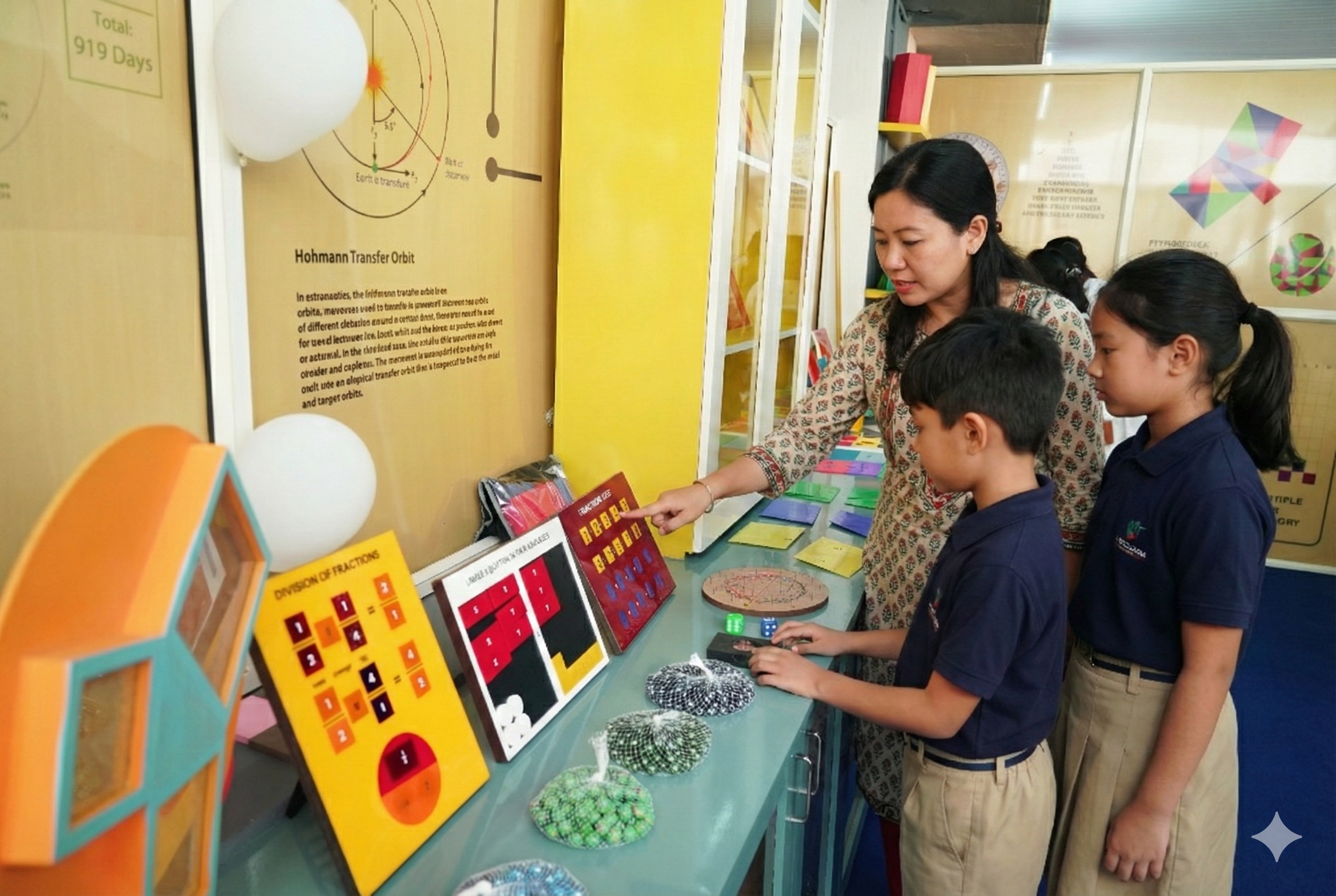


Traditional rote learning under the NPE 1986 era focused on memorization and exams, leaving students disengaged and anxious. NEP 2020 shifts this to competency-based, activity-driven education, recognizing that early math proficiency builds critical thinking for India’s STEM future (Economic Survey 2023-24). For tribal and rural students, cultural disconnects exacerbate gaps—hands-on tools bridge this by making math relatable.
Key Challenges:
Solution: Embrace Activity-Based Learning (ABL) ABL uses manipulatives, games, and projects to make math interactive. NEP 2020 mandates this for foundational stages (ages 3-8), promoting “learning by doing” to foster creativity and equity. In P Learn labs, students explore via CRA: Concrete (physical tools), Representational (drawings), Abstract (equations)—turning fear into fun.

5 Proven Ways to Spark Interest in Math Using P Learn Tools
1. Start with Hands-On Manipulatives for Concrete Exploration
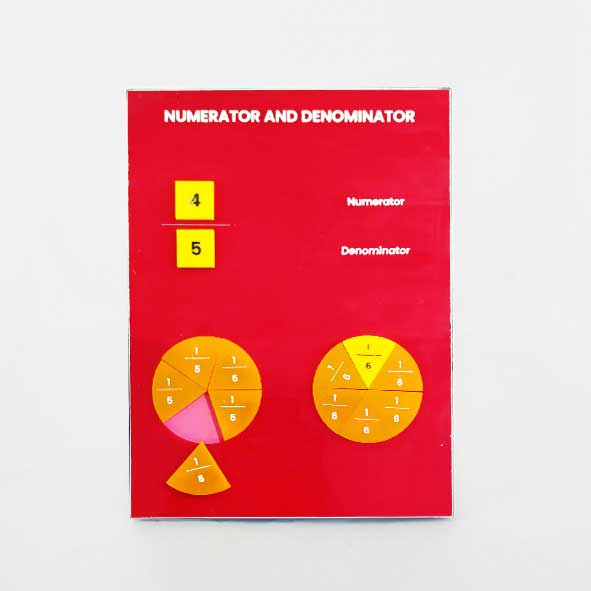
Make abstract ideas physical! P Learn’s kits (e.g., Fraction Concept Instruments, Hardwood Geometrical Solids) let students build and touch concepts. For lower grades, use Dienes Blocks to visualize place value—grouping tens and ones sparks moments of discovery.
Why It Works: Aligns with NEP’s foundational numeracy, reducing anxiety in Grades 1-5.
2. Incorporate Games and Puzzles for Collaborative Fun
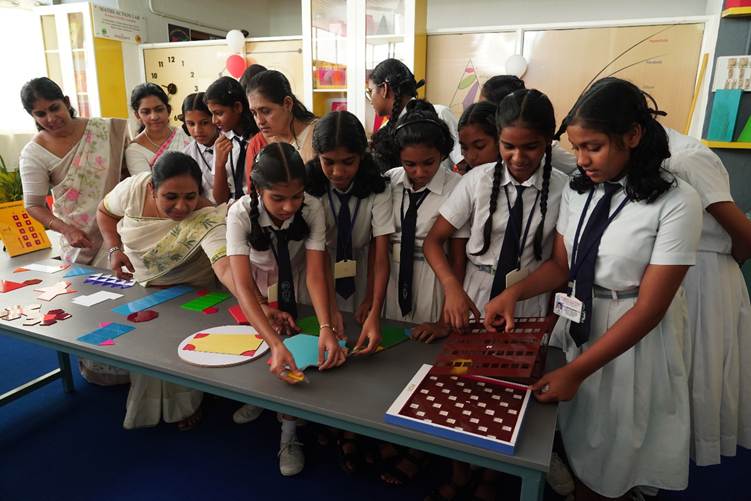
Turn lessons into play! P Learn’s Recreational Games (Tangrams, Sudoku, Probability Kit) encourage teamwork, making math social. For geometry, Geo Boards let students create shapes, exploring symmetry.
Why It Works: Boosts motivation (NEP’s multidisciplinary focus) and P Learn internal study showed increased participation in Grades I-VIII.
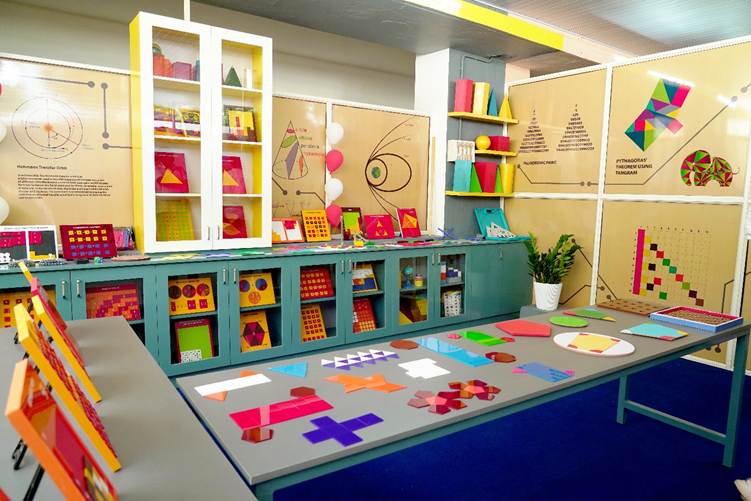
3. Set Up a CBSE-Compliant Math Lab for Immersive Learning
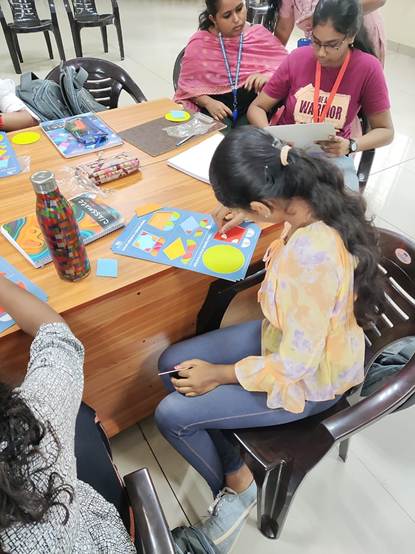
Follow CBSE’s SOP: A 500 sq.ft room with 4 tables, 40 stools, and racks for storage.
Step-by-Step Setup:
Why It Works: mathematics lab is a place where students are given the freedom to explore and experiment with mathematics concepts taught during class time. This develops inquisitive nature and is proven to improve the critical thinking ability of students.
4. Leverage CRA for Scaffolded Progression
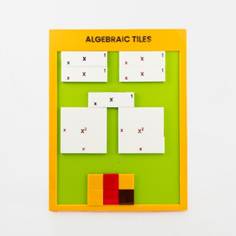
CRA builds from concrete (manipulatives) to abstract (equations). P Learn kits support this seamlessly—e.g., Algebra Tiles for concrete factoring, then representational drawings, abstract solving.
Why It Works: NEP’s shift from NPE 1986’s rote focus; P Learn’s tools make it easy for CRA fostered collaboration.
5. Integrate Technology and Real-World Projects
Blend physical tools with digital for hybrid learning (NEP 2020). P Learn’s manual explains real world examples of where various concepts are applied and students get to understand why various concepts are important.
Why It Works: Addresses ASER gaps; prepares for India’s knowledge economy (Economic Survey 2023-24).
Get Started with P Learn Today
Ready to make math exciting? Explore our NEP Compliant mathematics lab items for grade 1 to 10, teacher training, and custom labs at www.plearn.in. Contact us for a free demo or consultation: [email protected]
Transform Your Classroom – One Manipulative at a Time!