
A Guide for Mathematics Faculty in Education Institutions
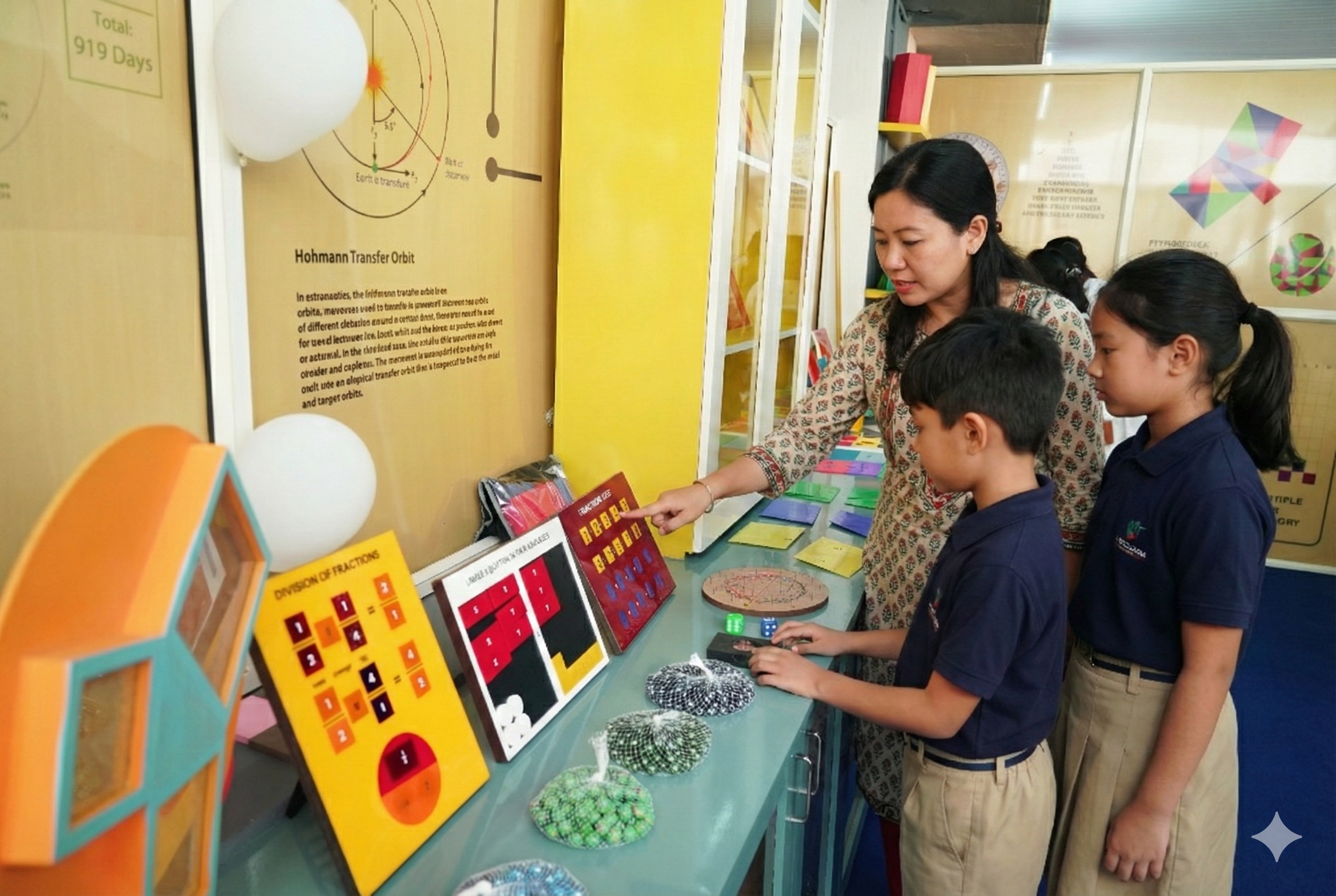
As educators shaping the next generation of thinkers, you know the challenge of making abstract mathematical concepts accessible. Arithmetic operations, algebraic equations, and trigonometric functions often feel disconnected from real-world understanding, leading to frustration and disengagement among students. At P Learn Pvt Ltd, founded in 2020 with guidance from the Ex-Dean of NCERT, we specialize in hands-on manipulatives and lab items that align with NEP 2020 and CBSE standards. Our CRA (Concrete-Representational-Abstract) approach uses geometry as a visual bridge to demystify these topics, fostering deeper comprehension and retention. This document explores how P Learn’s tools—trusted by over 100 schools—help students visualize arithmetic, algebra, and trigonometry through geometric representations, transforming classrooms into dynamic learning spaces.
Why Geometry as a Bridge? Geometry provides a tangible framework for abstract math, turning numbers into shapes and equations into structures. NEP 2020 emphasizes experiential learning to build foundational skills, and ASER 2024 highlights numeracy gaps (e.g., only 42.3% of Class 5 students master division). P Learn’s manipulatives address this by leveraging geometric visualization, reducing math anxiety and boosting scores by 25-30%. Let’s dive into how our lab items make this possible.

1. Visualizing Arithmetic Through Geometry: Building Number Sense with Shapes
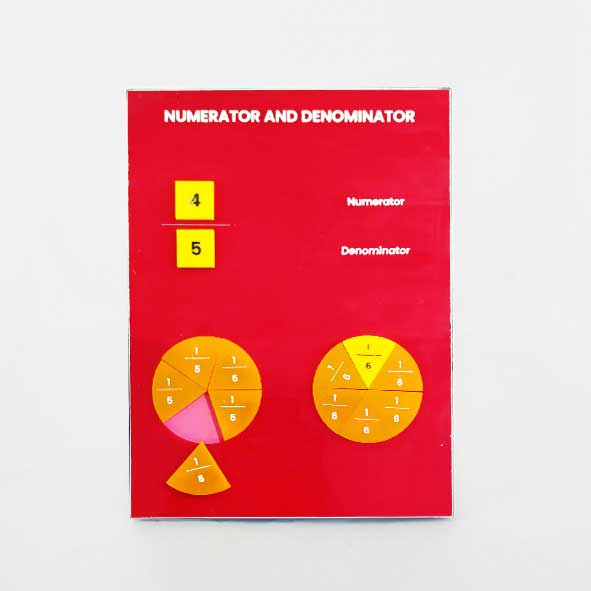
Arithmetic—addition, subtraction, multiplication, division—forms the bedrock of math, yet students struggle with visualization, with only 25.9% of Class 3 students performing basic subtraction (ASER 2024). P Learn’s manipulatives use geometric forms to make operations concrete, aligning with CRA’s “concrete” stage.

2. Visualizing Algebra Through Geometry: From Equations to Structures
Algebra introduces variables and equations, often abstract for middle schoolers, where conceptual gaps widen (ASER 2024: 27% ages 14-16 struggle with basics). P Learn’s algebra tiles and models use geometry to represent variables as areas or lengths, making equations “buildable.”
3. Visualizing Trigonometry Through Geometry: Shapes as Angle Explorers
Trigonometry (Class 9-10) challenges students with ratios like sin/cos/tan, where ASER gaps in measurement (e.g., 27% secondary proficiency) amplify confusion. P Learn’s tools use geometric figures to embody trig functions, making them intuitive.
The P Learn Advantage for Your Faculty Our 200+ lab items are sustainable (HDPE/wood), reusable, and customizable for CBSE/NEP. With manuals, multilingual videos, and app integration, we support your teaching—reducing prep time by 50%. Join 100+ institutions transforming math; request a free demo today.
P Learn Pvt Ltd [email protected] | www.plearn.in
Sources: ASER 2024, NEP 2020, Compliant with CBSE Math Lab SOP.


